Criterion Journal
Raw vs. Certified Coins: When Independent Grading Is Worth It
Compare raw vs. certified coins and learn when independent grading, authentication, and a verifiable certification record are worth the cost.
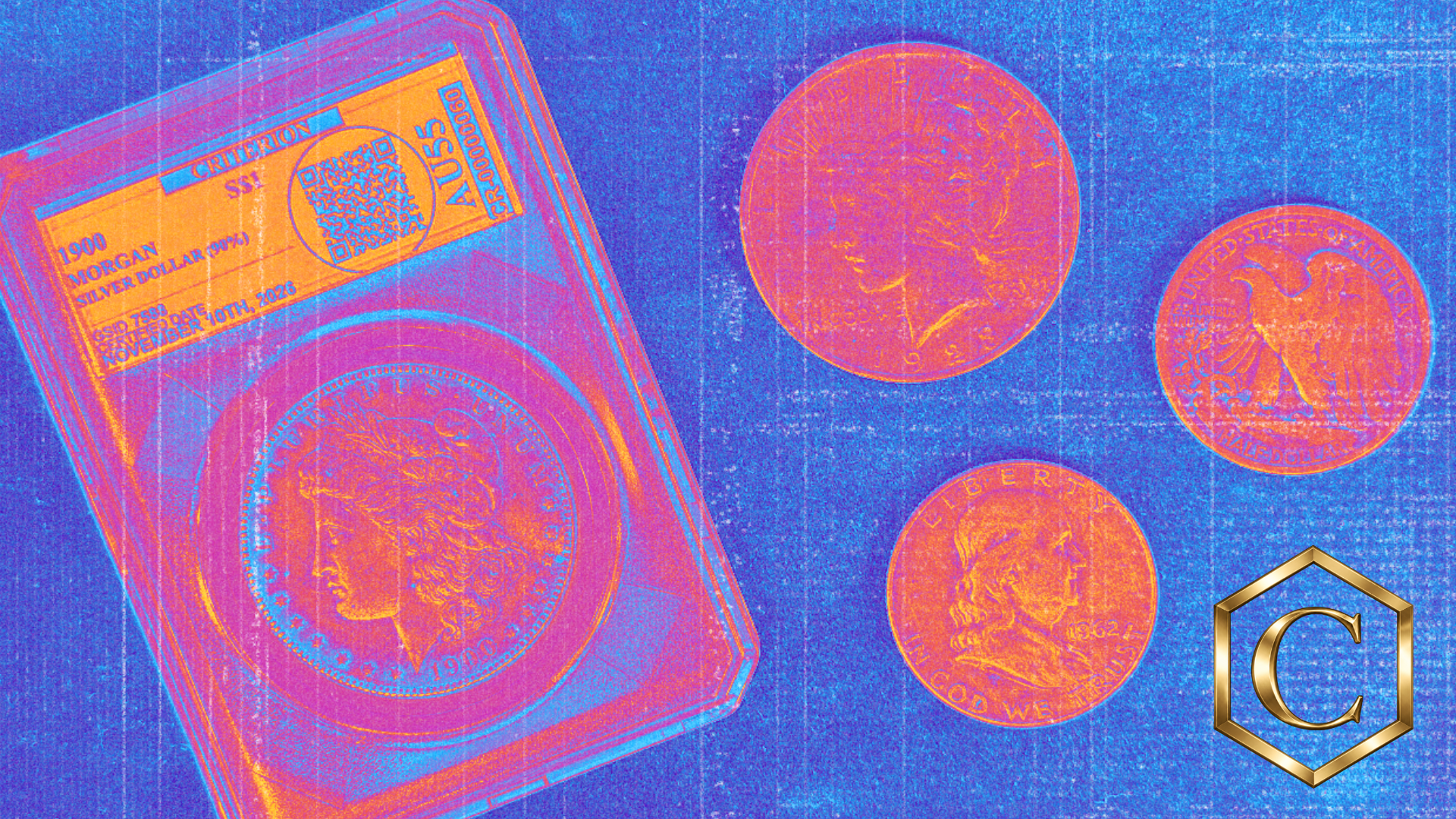
Two coins can look nearly identical and still sell for very different prices. When comparing raw vs. certified coins, consider what you can verify before buying. A raw coin is offered outside a grading service’s sealed holder. A coin certified by Criterion has a certification number and an online record that buyers can check. Here is what independent grading adds and when its cost may be worthwhile.
What a raw coin leaves to the buyer
A raw coin is a coin offered outside a grading service’s sealed holder. It may never have been professionally graded, or it may have been removed from a holder. The buyer still needs to assess whether it is genuine, what condition it is in, and whether its surfaces have been cleaned, altered, or damaged. Those judgments depend on experience, suitable lighting, and sometimes specialized examination. Even experienced collectors and dealers can disagree about a grade.
That does not make raw coins a poor choice. Many collectors buy raw coins they have examined closely, from sellers they trust, at prices that reflect the risk. The point is that the verification work stays with the buyer.
What independent grading adds
Criterion's coin certification process gives a coin a documented review before it is sealed. It includes:
- Authentication of the coin before a grade is assigned.
- Two independent grading opinions, so the grade does not rest on a single reviewer's judgment.
- Secure encapsulation, so the coin is sealed for storage and display.
- A public certification record with VaultVision obverse and reverse imagery.
The record is the part that matters most after the sale. It is built to show the reasoning, not only the result.
Reading the record
Each Criterion-certified coin has a certification number. A buyer can enter that number on Criterion's verification page and check the record for:
- the grade and certification status,
- the approved images of the coin,
- the coin-specific grade reasoning.
This lets a buyer compare the coin in hand with the record before buying, and lets a later buyer or dealer check the same information again. A record that can be revisited at any time is more useful than a grade that has to be taken on trust.
Which coins suit independent grading
Criterion certifies:
- raw U.S. coins,
- pre-1933 gold coins,
- U.S. bullion,
- private mint bullion rounds.
If a coin falls into one of these groups and the buyer wants an independent opinion on authenticity and grade, certification is designed for that purpose.
When it is worth it
Independent grading is worth considering when:
- The buyer cannot easily verify the coin alone. Authenticity and grade are hard to judge without experience or the right tools.
- The coin will be resold. A later buyer can check the same record without repeating the review.
- The reasoning matters as much as the grade. A written, coin-specific explanation gives the buyer something to inspect.
- The cost is proportionate to the coin's value. Each buyer should weigh the certification cost against the coin's value and the risk they are avoiding.
Certification does not guarantee a higher resale price or that its cost will be recovered. Compare the total expense, including grading, shipping, and insurance, with the coin’s likely market value and the usefulness of an independent opinion. Grading may be less economical for common, low-value coins, although authentication, documentation, or sentimental reasons can still matter to an owner.
The short answer
Raw coins keep verification with the buyer. Certified coins move part of that work to an independent review and leave a public record behind. Decide based on the coin's value, how much the buyer needs to verify it, and whether they will need to prove its grade later.
To see what a certification record contains, enter a certification number on Criterion's verification page.