
Criterion Development
From Three Proof-of-Concept Slabs to Alpha: Criterion’s Progress, Lessons, and Direction
From its first three proof-of-concept slabs to Alpha Slabbing, Criterion reflects on grading principles, camera and lighting work, holder development, and the customers and dealers supporting the journey.
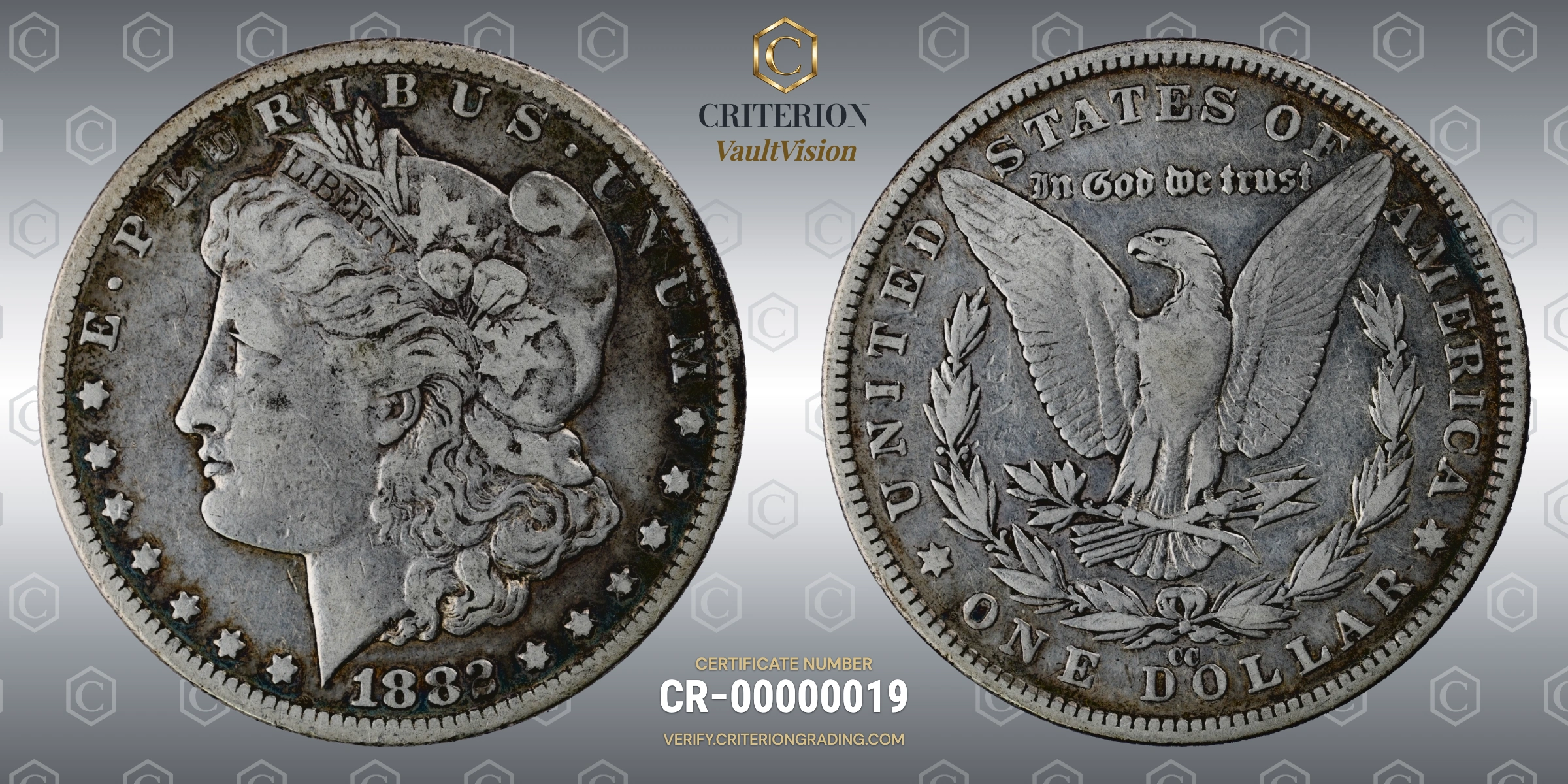
Criterion Grading has reached Alpha Slabbing, an achievement built through repeated examination, practical development, and a willingness to revise the details. The current Alpha holders bring together work on grading principles, photography, labeling, certification records, and physical assembly. For a company that began this journey with three proof-of-concept slabs, seeing those elements come together is a substantial accomplishment.
Those first three slabs gave Criterion something a drawing or digital mockup could not provide: a physical result to examine. Label proportions could be judged at their actual size. Coin placement could be evaluated inside a holder. The relationship between the coin, insert, printed information, and surrounding shell became visible in a way that made further decisions more concrete.
The current Alpha build carries the lessons of that early work. Criterion has established a starting point that exceeds its initial expectations for this stage, while gaining a clearer understanding of what still needs to improve. The achievement includes the physical slab and the growing body of knowledge behind it.
From a leadership perspective, that knowledge is one of the company’s most valuable results so far. Criterion now has a more complete view of how its service must function from examination through presentation. A grading decision needs an explanation. That explanation benefits from useful photographs. The label needs to communicate the result clearly, and the certification record needs to connect those elements to the correct coin.
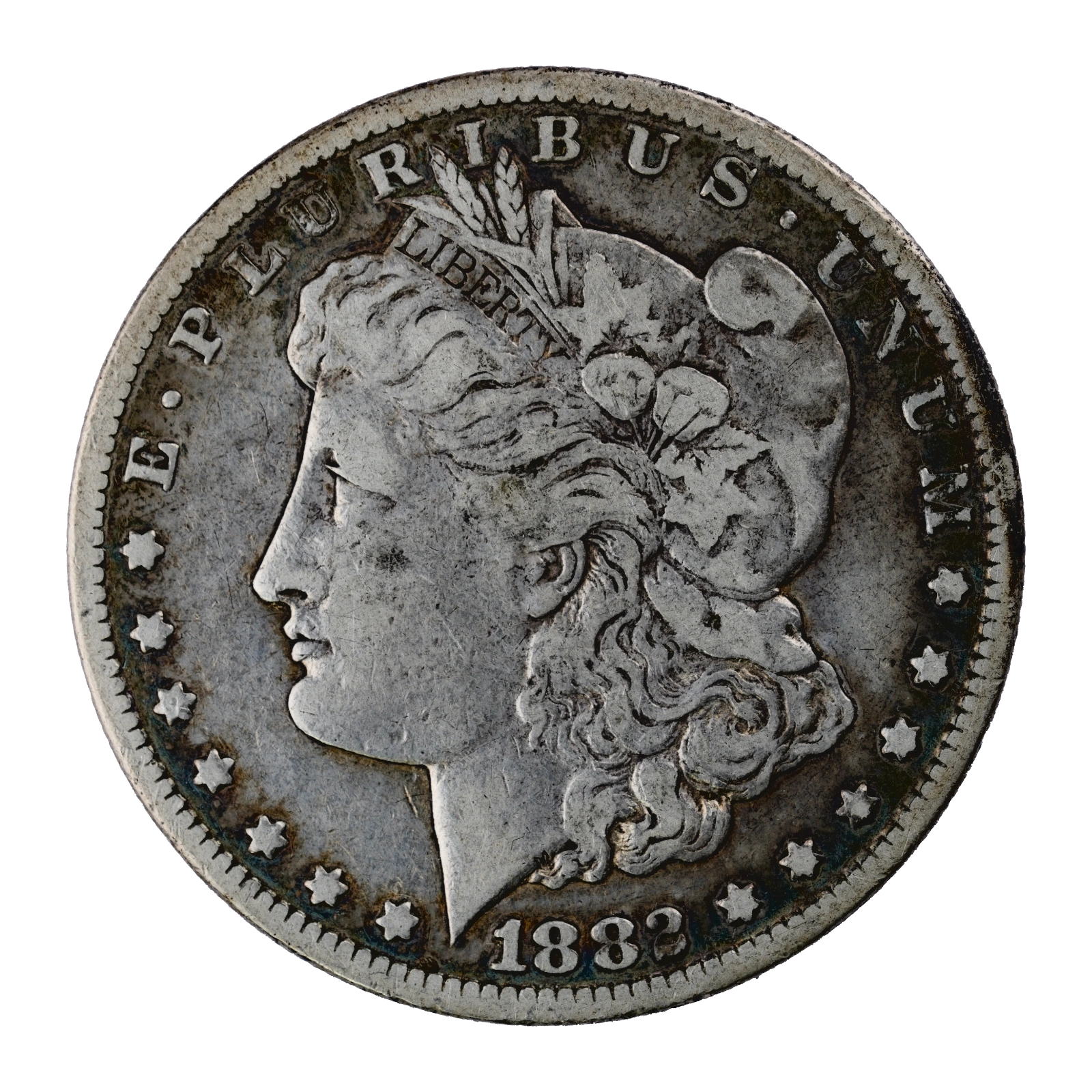
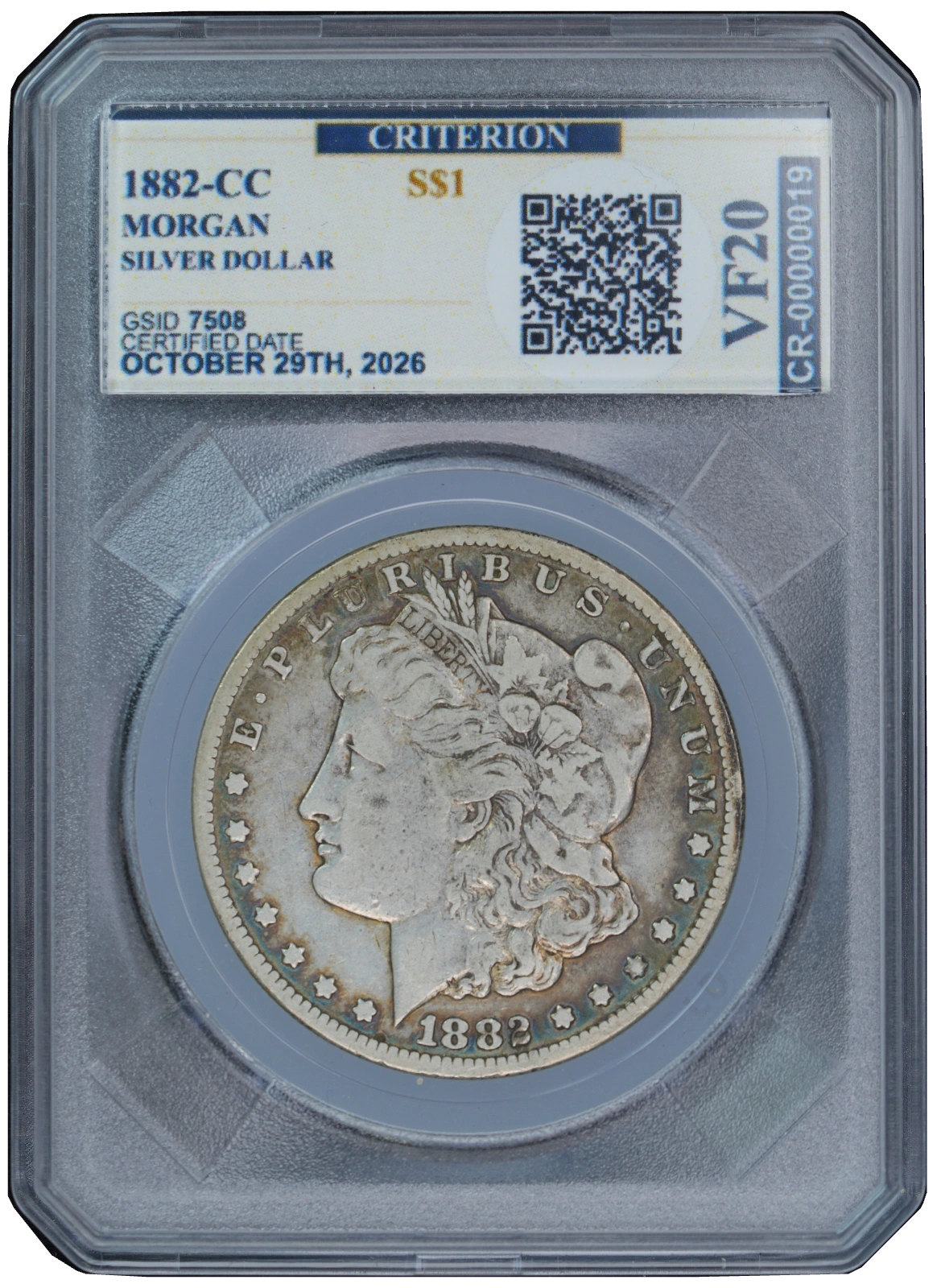
The 1882-CC Morgan silver dollar pictured here provides a concrete example of that work. Its VaultVision presentation places the obverse and reverse alongside one another, allowing the viewer to examine the remaining design detail, visible wear, surface marks, and darker peripheral color. The assembled Alpha slab identifies the coin, displays its VF20 grade, and carries certification number CR-00000019.
Seen together, these images show several parts of Criterion’s development in one place. The close photographs document the coin. The paired presentation connects those views to a certification identity. The slab photographs show how the coin and its information appear in the physical holder. Each view serves a different purpose within the same record.
A circulated Morgan dollar is also an appropriate subject for this milestone. Its surfaces require interpretation, and its remaining detail deserves careful documentation. Criterion’s standards need to serve the coins collectors actually own, including circulated pieces valued for their history, their place in a collection, or the personal reasons someone chose to acquire them.
That responsibility has shaped the company’s grading principles from the beginning. Criterion uses the established numerical scale, with judgment grounded in the characteristics of the individual coin and its series. Wear, strike, luster, contact marks, surface preservation, color, and eye appeal require examination in context. A condition opinion becomes more useful when its supporting observations are clear.
One of the strongest lessons of the journey has been the importance of explaining the grade at the level of the individual coin. A collector should be able to understand where wear appears, which details remain, and what prevents the next higher grade. Broad descriptions of quality cannot substitute for that explanation.
This expectation places a practical demand on the grading process. Observations need to be specific enough to support the conclusion, and the conclusion needs to remain proportionate to the evidence. An attractive coin still requires a disciplined assessment. An unusual surface requires examination before it becomes a diagnosis. Where uncertainty remains, the wording needs to express it accurately.
Criterion’s numerical Qualified Grade approach reflects the same concern for useful information. A genuine, stable coin may retain an assessable level of detail while also having a condition issue that requires disclosure. The numerical grade and the qualification answer different questions, and both deserve a clear explanation.
For a Qualified Grade, that explanation includes the exact supported issue, its severity, its location, and the diagnostic evidence. Cleaning, environmental damage, corrosion, and other conditions require distinct reasoning. Precise language helps a collector understand the finding and gives the company a clearer basis for reviewing its own decisions.
The company’s documented grading model also establishes independent first opinions and separate final review. An initial assessment has greater value when it is recorded before another grader’s conclusion is revealed. When opinions differ, the resolution needs to follow the evidence and leave an understandable record.
For Criterion’s leadership, developing those principles carries an operational responsibility. Written expectations need to translate into work that can be performed consistently. The quality of the resulting records matters more than the apparent sophistication of the process on paper. Alpha development has made that relationship between policy and practice increasingly concrete.
Photography has provided another substantial set of lessons. The camera is only one part of a useful coin image. Position, focus, exposure, white balance, light placement, diffusion, and the surrounding environment all affect what the photograph communicates.
Reflective metal makes those relationships especially apparent. A reflection can obscure a field. Uneven illumination can make one side appear much darker than the other. A lighting arrangement that describes relief effectively on one coin may be less useful on a different surface. Consistency requires deliberate choices throughout the setup.
Criterion’s work with cameras and lighting has therefore become a study in repeatability. The goal is to understand why an image works and how to produce another useful image under controlled conditions. A successful photograph is most valuable to the process when the decisions behind it can be repeated and evaluated.
VaultVision has developed within that discipline. The paired presentation needs to provide enough space for each side, retain the coin’s complete outline, and maintain useful alignment. The certification identity gives the presentation a specific reference point. Collectors can return to those images, compare them with the coin in hand, or examine them while considering a transaction.
The 1882-CC Morgan illustrates the value of that approach. Its larger photographs allow closer examination of the portrait, lettering, eagle, wreath, and peripheral surfaces than a general slab photograph alone would permit. The assembled-holder views then provide additional context about the physical presentation.
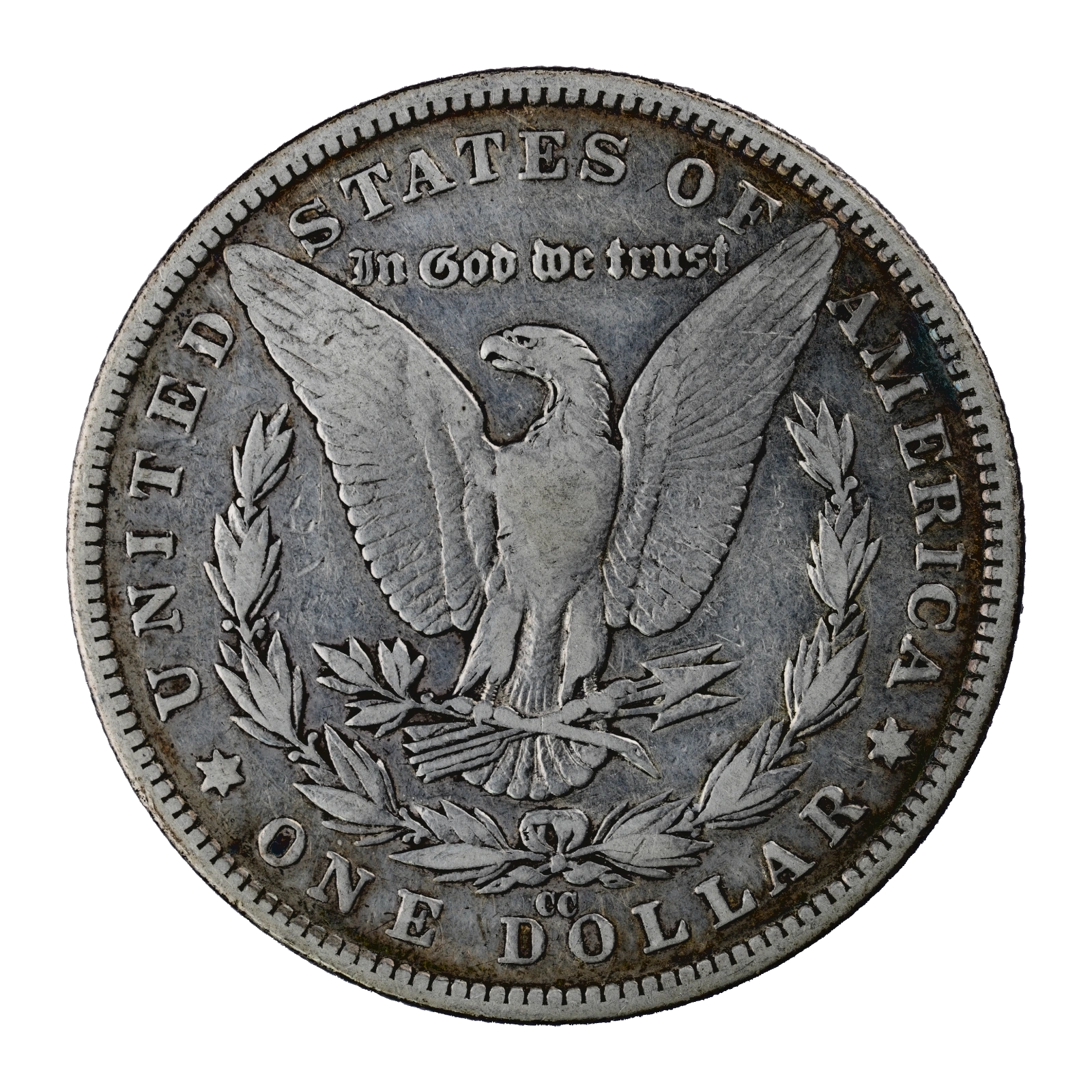
Image processing introduces further responsibilities. Cropping, exposure adjustment, and contrast treatment influence how surfaces appear. Criterion’s imaging work includes retaining original uploads, producing separate presentation images, and reviewing the results. Decisions about presentation need to remain grounded in what the photograph records.
This has also reinforced the distinction between photographing a coin and photographing its slab. Coin images concentrate on the surfaces under examination. Slab images document the holder, insert, printed label, and overall assembly. A complete presentation benefits from both because each answers questions the other cannot fully resolve.
Physical slab development has followed a similar pattern of learning through inspection. The initial proof-of-concept pieces established a tangible format. Prototype work created opportunities to revise the arrangement and assembly. The current Alpha build brings those lessons into a more developed package that can be examined as a whole.
Details that appear minor on a screen become consequential in a finished holder. The coin’s position affects its presentation. The insert frames the coin and occupies a substantial part of the viewing area. Label dimensions determine how much information can remain legible. Print contrast, alignment, and spacing all influence how easily someone can understand the result.
Criterion has learned to treat those details as part of the service. A label must work at its actual size, in a person’s hand, under ordinary viewing conditions. The information needs a clear order, with the identity and grade easy to locate and supporting details available without unnecessary confusion.
The Morgan’s front label demonstrates the amount of information being organized within that limited space: date and mint, coin type, denomination, grade, certification date, identifying references, and QR access. Bringing those elements into a readable layout is a practical design task that continues through physical printing and assembly.
The reverse carries Criterion’s identity and the phrase “The Evidence Behind the Grade.” That phrase establishes an expectation the company must meet through its work. Useful photographs, specific explanations, and agreement between the label and certification record give it substance.
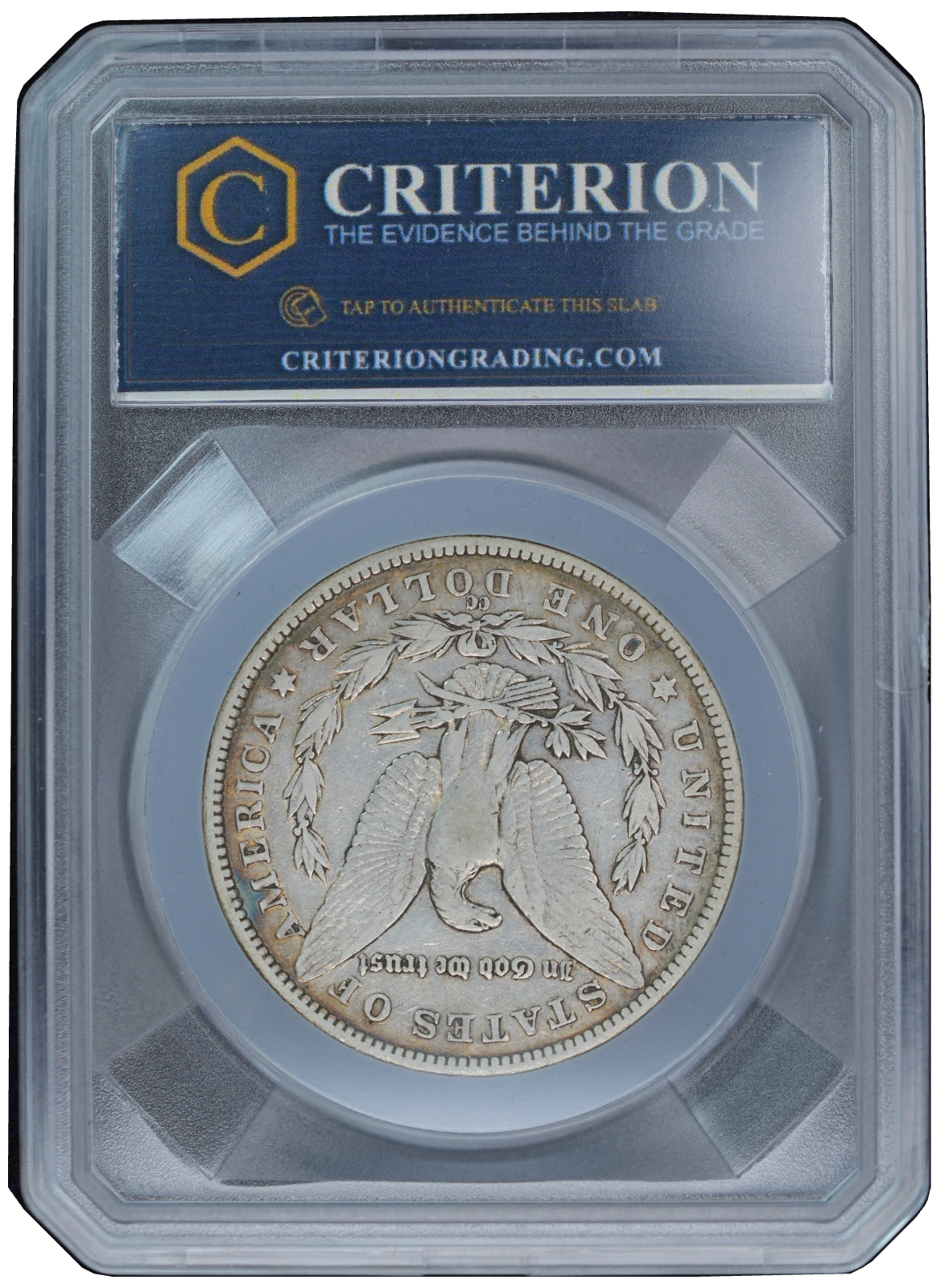
Verification has required equal precision. A certification lookup provides access to a record. Approved photographs support visual comparison. A successful live cryptographic NFC check, where installed and activated, provides a separate form of holder authentication. These functions serve different purposes, and the company’s explanations need to make those purposes understandable.
The same care applies to the language used for holder generations. Alpha is a development stage with concrete accomplishments and continuing refinement. Describing it accurately allows Criterion to celebrate progress while remaining accountable for the work ahead.
That balance is central to the company’s leadership approach. Pride in the current build should support careful evaluation of the next one. A strong image can still reveal an opportunity to improve capture. A readable label can still benefit from better print consistency. A completed assembly can expose a detail that deserves another pass.
Perhaps the most encouraging result of this journey is how closely the lessons now inform one another. Grading requirements help define what photographs need to show. Imaging work informs the presentation of evidence. Label development clarifies which information must be immediately visible. Physical assembly allows the entire experience to be judged together.
This has given Criterion a more useful definition of progress. Progress includes a finished slab, a clearer procedure, a better explanation, and a decision that can be repeated with greater confidence. Each has value because it improves the company’s ability to handle the next coin responsibly.
The first customers who have supported Criterion deserve particular appreciation. Entrusting a developing grading company with a coin is a meaningful decision. A submission may include a carefully selected purchase, an inherited piece, or part of a collection assembled over many years. That trust creates a responsibility to provide attentive handling, accurate communication, and an explainable result.
Criterion’s gratitude must be evident in its conduct. The response to a question, the correction of an error, the communication of a delay, and the explanation of a grade all affect the customer’s experience. Early support gives the company an opportunity to establish those habits while its operations continue to develop.
Its dealership partners deserve the same recognition. Dealers work directly with collectors and understand the practical questions that follow certification. Clear identification, accessible records, understandable results, and dependable communication all matter within those relationships. Their engagement gives Criterion another perspective on how the service needs to function in daily use.
The company values those relationships as part of its development. Dealers need information they can explain responsibly. Collectors need to understand what they are receiving. Criterion needs to listen closely enough to recognize where a process creates confusion or unnecessary work, then make the appropriate correction.
There remains substantial work ahead. Physical assembly, label output, imaging controls, documentation, and the steps connecting a submitted coin to its finished certification all require continued attention. Repeatability is a particular priority. A strong individual example demonstrates what is possible; consistent execution across different coins and submissions is how confidence develops.
Criterion’s ambition is to help establish a new standard in coin grading through evidence that collectors can examine and explanations they can understand. That ambition needs to be earned through the quality of the work: specific grading rationale, precise qualification disclosures, useful photography, clear records, and responsible service.
The current Alpha build gives that ambition a physical form. The 1882-CC Morgan, its VaultVision images, and its completed holder show how far the company has progressed from the first three proof-of-concept slabs. They also provide a practical basis for deciding what needs attention next.
Criterion is proud to have reached Alpha Slabbing and thankful for the customers and dealership partners who have supported the journey. Their confidence carries a clear responsibility into the next stage: continue strengthening the build, apply the lessons already learned, and make each completed certification worthy of the trust placed in Criterion Grading.
The Evidence Behind the Grade.