
COINAGE POLICY / NUMISMATIC HISTORY
The End of the Circulating Cent. Is the Nickel Next?
The Common Cents Act, the economics of small change, and what this moment means for collectors.
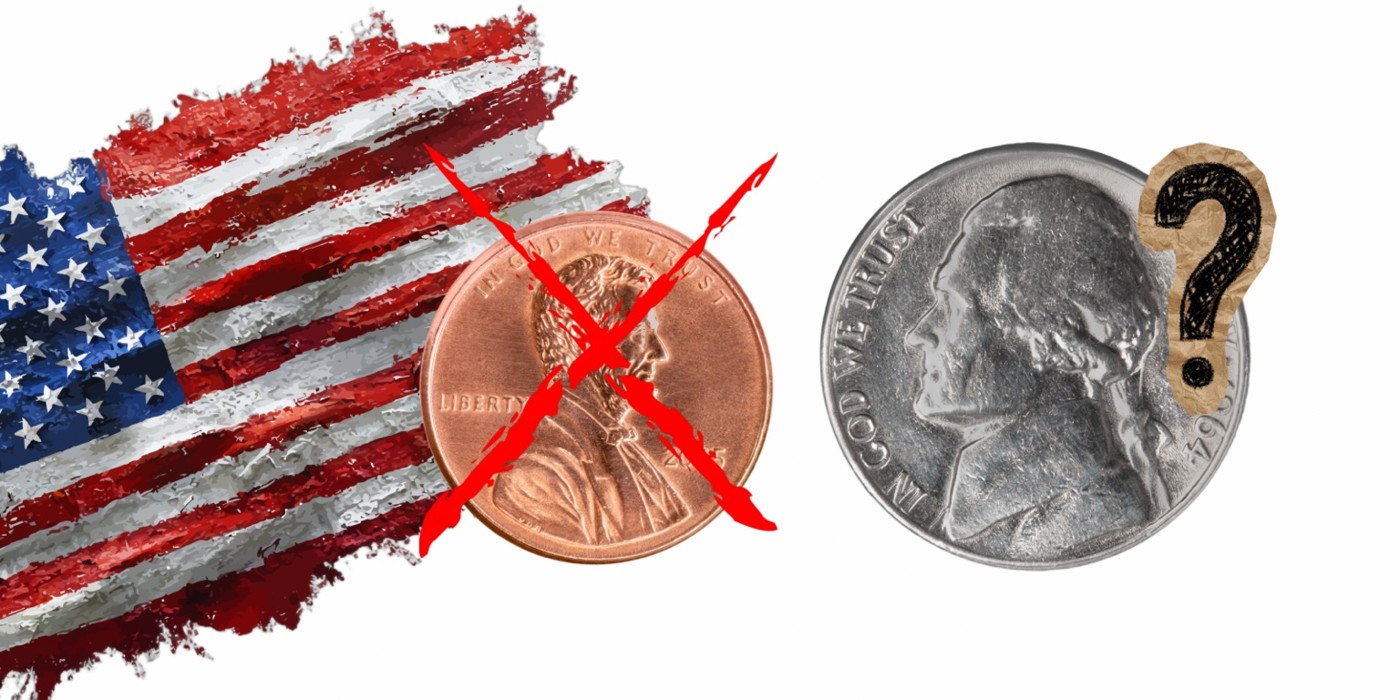
For generations, the United States cent has been an introduction to coin collecting. A Lincoln cent pulled from change, an old wheat reverse found in a drawer, or a folder with a few empty spaces could start a lifelong interest. Now, the coin that helped so many people begin collecting is entering a different chapter.
The U.S. Mint marked the end of circulating cent production with a ceremonial final strike in Philadelphia on November 12th, 2025. Congress has since passed the Common Cents Act, H.R. 10167, with the Senate approving it without amendment on September 28th, 2026. Congressional passage should be distinguished from presidential enactment; the sources reviewed for this article do not establish that the bill has been signed into law.[1][2]
The cent's production halt is real. The nickel's elimination remains a question about the future.
First, a cent by its proper name
The official U.S. denomination is the cent, equal to one hundredth of a dollar. The familiar word penny comes from British coinage and is a nickname for the American one-cent piece. The coin itself carries the denomination ONE CENT.[3][4]
That distinction matters in numismatic writing. It would be inaccurate to say Americans do not use “penny.” They do, and even the U.S. Mint uses it in public communications. But the United States did not establish a denomination called the penny. Throughout this article, we use cent for the U.S. coin.
The cost of making small change
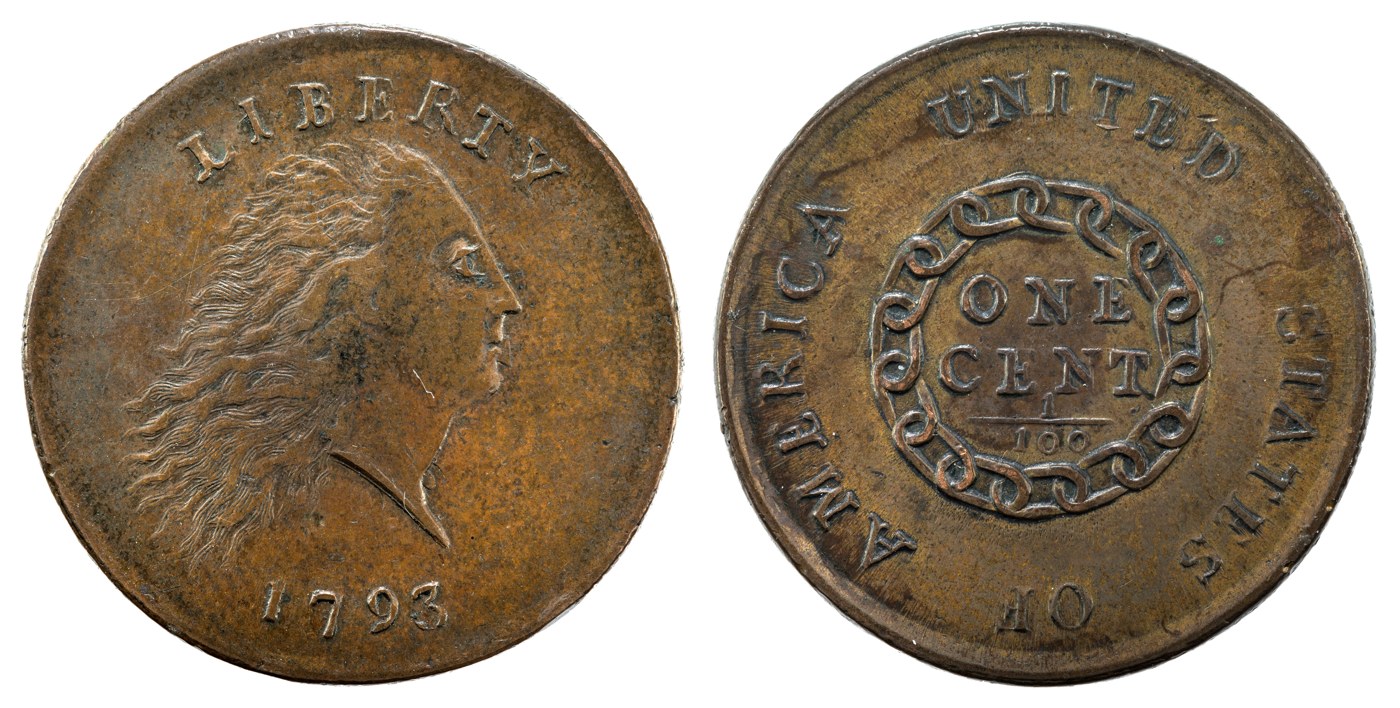

The economics are difficult to ignore. The Mint's fiscal 2025 annual report lists a unit cost of 3.02 cents for the cent and 13.31 cents for the nickel, including production and distribution. Both denominations cost more than their face value for the twentieth consecutive fiscal year.[5]
For comparison, fiscal 2024 costs were 3.69 cents and 13.78 cents, respectively. Those older figures still appear frequently in coverage of the cent's retirement.[6]
At the fiscal 2025 rate, each newly produced cent represented a shortfall of 2.02 cents against its face value. Each nickel represented an 8.31-cent shortfall. These are manufacturing and distribution costs, not the market value of the metal inside a coin.
The Mint has projected approximately $56 million in annual production savings from suspending circulating cent production. That projection should not be confused with a guaranteed net saving across the entire cash system, where demand for other denominations and the costs of handling change also matter.[3]
What the Common Cents Act would change
The legislation would end cent production for general circulation while allowing collector issues to continue. Existing cents would remain legal tender.[7]
It would also permit cash rounding when exact change is unavailable. Ordinary amounts ending in 1, 2, 6, or 7 cents could round down; those ending in 3, 4, 8, or 9 could round up. The relevant amount is the total including tax, or the change due, rather than each item's price. Noncash payments would remain exact.[7]
For example, a $12.42 cash total could become $12.40, while $12.43 could become $12.45. Paying electronically would preserve the original amount. The cent would still function as a unit of accounting even as fewer physical cents move through registers.
Is the nickel next?
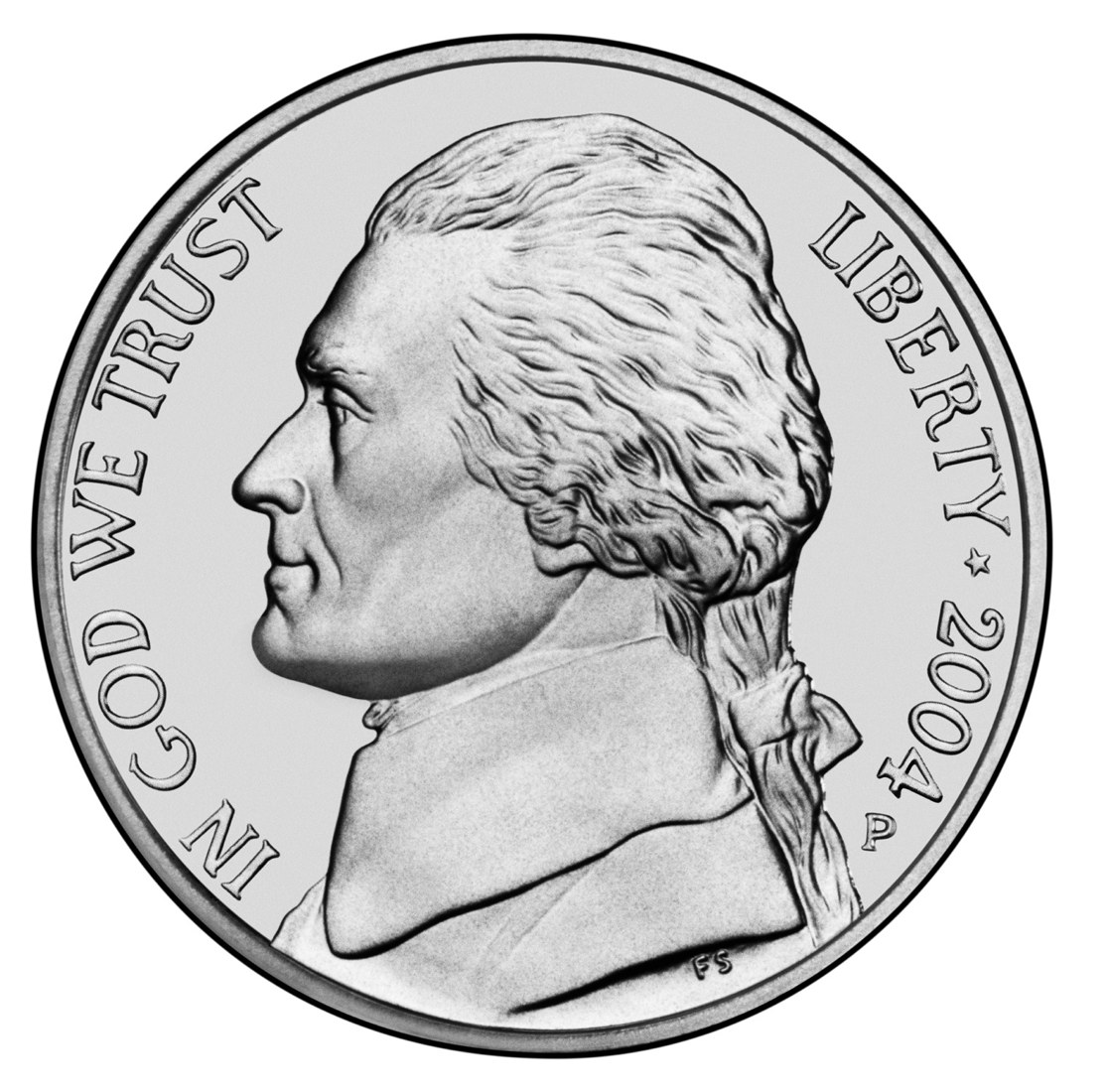

The bill does not end nickel production. It would permit a zinc interior with a nickel exterior, subject to testing for lower costs and minimal disruption to coin-operated machines.[7]
That approach attempts to preserve the denomination by changing how it is made. A coin must work in commerce as well as on a balance sheet. Its physical and electromagnetic characteristics matter to the equipment that accepts it.
The nickel's cost makes further debate understandable. But a possible composition change and a decision to discontinue a denomination are separate events. Collectors should avoid treating speculation about the nickel's future as an announced final year.
What collectors should take from this moment
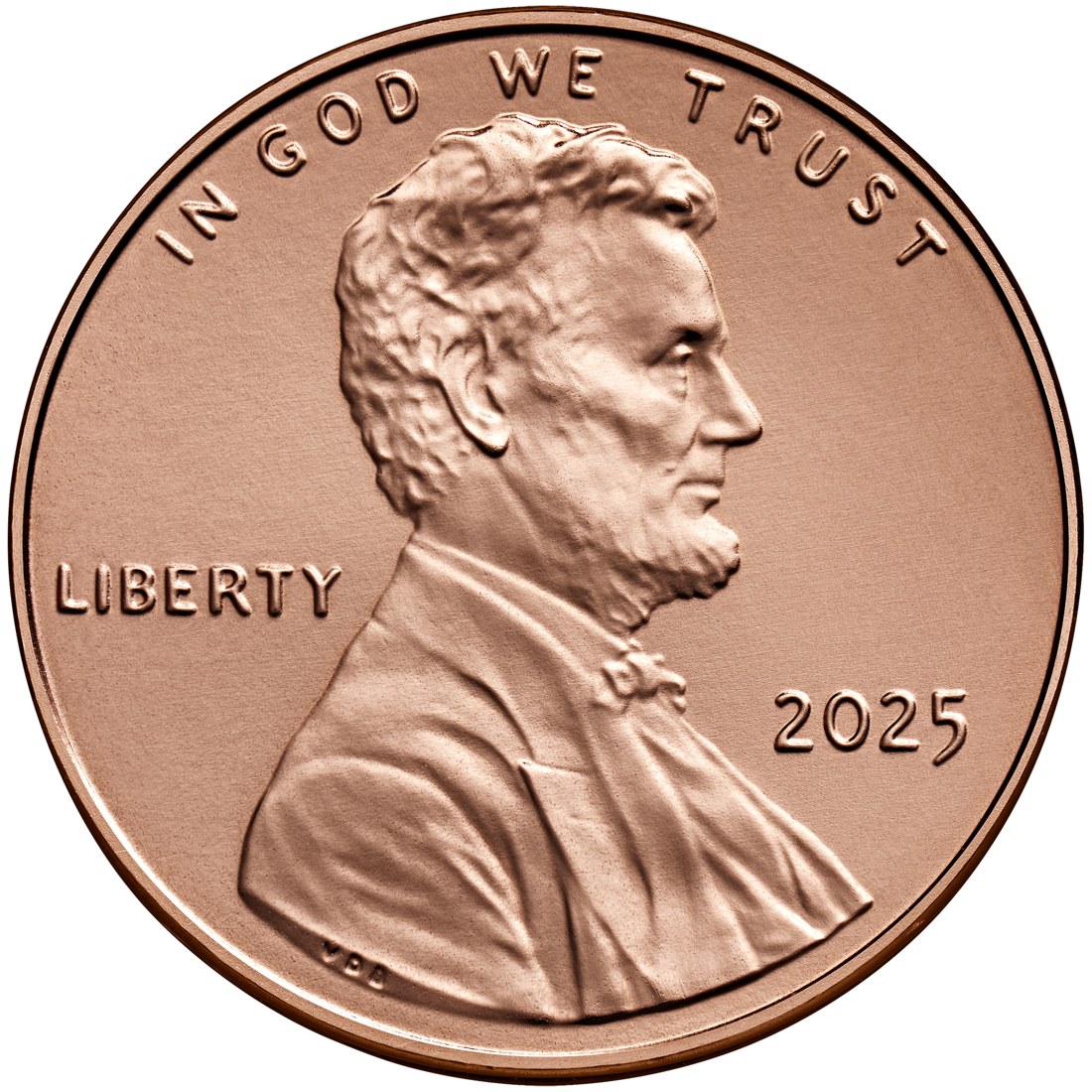

The end of circulating production gives the 2025 cent historical significance. It does not, by itself, make every example scarce or valuable.
From Criterion's perspective, evaluating a coin still requires attention to the individual specimen: authenticity, condition, surface preservation, varieties, errors, and documented provenance. A final-year date supplies context. It cannot substitute for those attributes.
A carefully preserved example can be meaningful without being expensive. Collectors can use this transition to build an educational set, photograph their coins, record where they came from, or introduce a child to the difference between a circulation strike and a collector issue. There is no need to polish a coin to make it worthy of preservation. Its original surfaces are part of its evidence.
The cent's retirement also invites a broader question about what we choose to keep. Coins are practical objects, but they carry the designs, materials, and economic decisions of their time. Once familiar change becomes a historical artifact, those details become easier to appreciate.
The circulating cent has reached the end of its production run. The nickel may change before it follows. For collectors, this is a moment to document carefully, preserve thoughtfully, and let the evidence guide the story.
The Evidence Behind the Grade.